
Why Do We Fall Back Into Old Family Roles?
You've been at your parents' house for about twenty minutes. You're helping set the table when your mother glances over and says, "Oh, honey, the forks go on the left." Before you've had a chance to think about it, your eyes are rolling. There may even be a sigh, the long one, followed by "Mom, I know." It comes out in exactly the tone you perfected at fifteen, the one you haven't heard from yourself in years.
At home, you run a household. Maybe you manage a team, make decisions all day, and handle problems far more complicated than where the forks go. Yet one small comment, and somehow you're a teenager again. So what happened between the driveway and the dining room?
How Family Roles Take Shape

Every family develops its own ways of operating, and most of us end up with a role somewhere inside it. You might have been the responsible one, the peacemaker, the funny one, the one who needed looking after, or the one who always pushed back.
Usually, nobody assigns these roles. They develop through thousands of repeated interactions. A child who smooths things over when the adults get tense may find that it helps, so she does it again. Over the years, that becomes what she does in that family, and eventually it becomes what everyone expects her to do.
Many of these roles made sense at the time. Some helped us get attention, avoid trouble, or keep the peace. The problem isn't that the role existed. It's that it can keep running long after we've outgrown the need for it.
Why Going Home Brings It Back
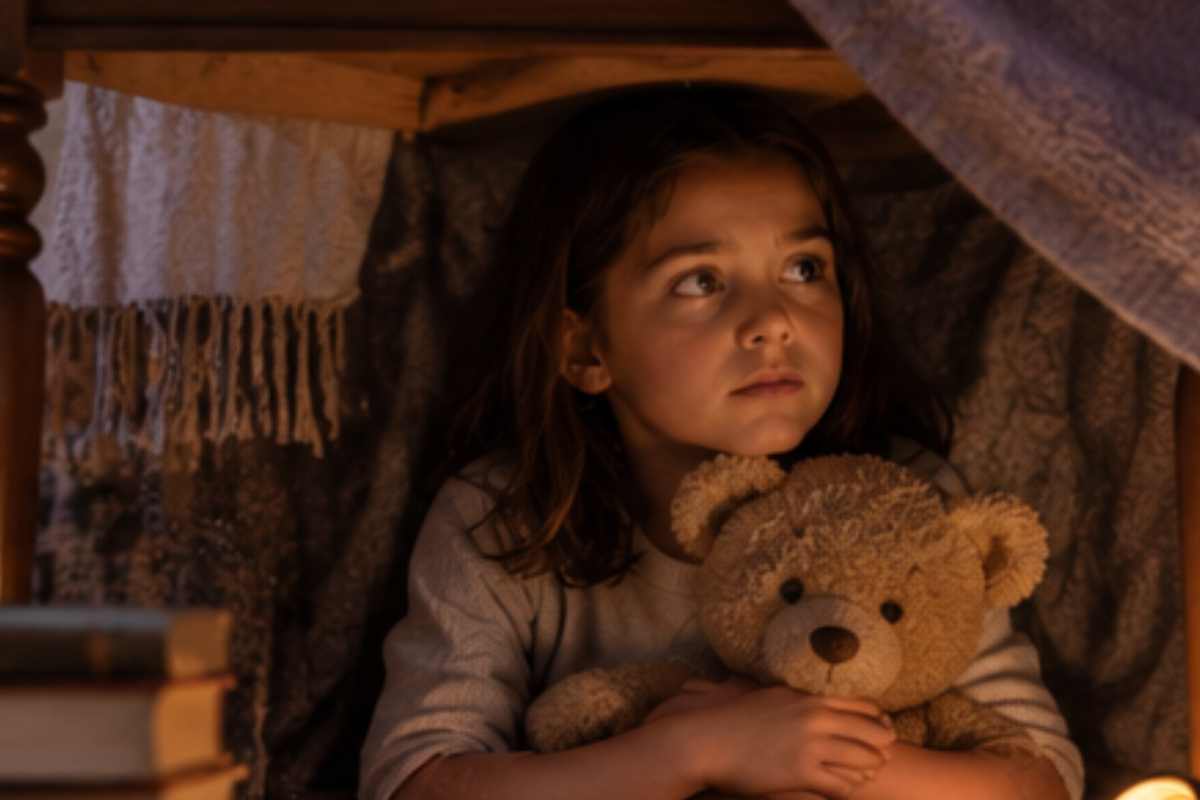
We learn through association and repetition. Familiar places, people, and conversations carry many years of associations. When you walk back into that setting, the responses you practiced there are often the ones that come up first.
One way to picture it is a well-worn path across a field. You may have spent years creating a new path in your adult life, but when you're standing at the edge of that old field, the familiar path is right there and easy to follow. That doesn't mean your growth wasn't real. It means the setting tends to call up the older response before the newer one has a chance.
This isn't limited to the holidays, either. A supervisor's tone can bring up the same reaction you had to a parent, and a coworker can feel a lot like a competitive sibling. Holiday gatherings simply bring many of those familiar people and situations together in one place.
It Works Both Ways

The people around the table also carry a picture of you, and much of it was formed years ago. For example, say you're the youngest in your family. You're in your forties, you've bought a house and raised children of your own, but your older sister still seems to think you need looking after. You mention the new car you just bought, and her first question is whether you had someone look it over before you signed anything.
She's probably not trying to diminish you. For years, keeping an eye on you was part of her job in the family, and she may have been praised for doing it well. That role is familiar to her too, and she may never have had much reason to put it down. And if she only sees you a few times a year, the version of you she knew longest has a lot more history behind it than the one standing in front of her.
Then there's your side of it. Maybe you get flustered and start defending the car. Or maybe, if you're honest, you let her handle a few things, like calling Aunt Linda about the seating arrangements, because being the baby of the family has its perks. Either response can look a lot like the little sister she remembers, which confirms the picture she already had. Her familiar behavior brings out your familiar response, and your response reinforces hers. Nobody has to intend it. Everyone just knows the steps.
And it's worth asking whether you do the same thing to others. Maybe you still see your brother as the one most likely to cause a scene, or quietly expect your cousin to show up late and empty-handed. Family patterns are shared, and most of us are both being cast in an old role and casting someone else in one.
Expectations and Meaning

We also bring expectations with us. This year they'll finally see how much I've changed. This year nobody will bring up my divorce. When those expectations aren't met, we're already halfway to an old reaction.
It can help to separate what happened from the meaning we gave it. What happened: Mom mentioned the forks. The meaning: She still thinks I can't do anything right. Usually it's the meaning, more than the event, that produces the strong reaction. Sometimes the meaning turns out to be accurate, but often it's worth a second look.
Before Your Next Gathering

Recognizing a pattern gives you a choice, even if nobody else changes. When you respond differently, you interrupt your part in that familiar back-and-forth. That may influence how the other person responds, too. This doesn't mean bringing up old arguments around the dinner table. A family gathering is rarely the right time to resolve long-standing issues. Instead, try this beforehand:
Pick one familiar interaction. Think of a situation that tends to bring out an old reaction in you, and walk through what usually happens: who says what, how it unfolds, and how it tends to end.
Look at your part in it. What do you usually feel, say, or do? What might you be doing, without meaning to, that helps keep the pattern going? And what does this interaction bring out in you? It might be an old feeling of not being taken seriously, or a strong urge to prove you're doing fine.
Consider what you're bringing with you. What are you expecting to happen, and what meaning do you tend to give the other person's words? Then think about what you genuinely appreciate about this person, and which conversations bring out the better side of both of you.
Choose one thing you'll do differently. Keep it small and specific. You might answer your sister's question about the car with "I did, thanks," and then ask about the trip she's been planning. Or you might let the fork comment simply be about forks.
It may not go perfectly. Sometimes you won't recognize the old reaction until you're already in the middle of it. That's still an opportunity. Once you recognize what's happening, you still have a chance to choose a different response.
When the Pattern Runs Deeper

Sometimes we recognize an old family pattern and find that we can begin changing how we respond. Other times, we keep falling into those familiar roles despite our best intentions.
If there's a longstanding pattern you'd like to change, that's something we can explore together. I invite you to schedule a complimentary 20-minute Discovery Call so we can talk about what's happening, what you'd like to be different, and whether hypnotherapy might be helpful.
Book Your Discovery Call Here!